Selected work
Real problems.
Real outcomes.
Every project here starts with a gap — between what exists and what people actually need. Automotive HMI, aircraft cabins, EV infrastructure, embedded field research. The work is the bridge.
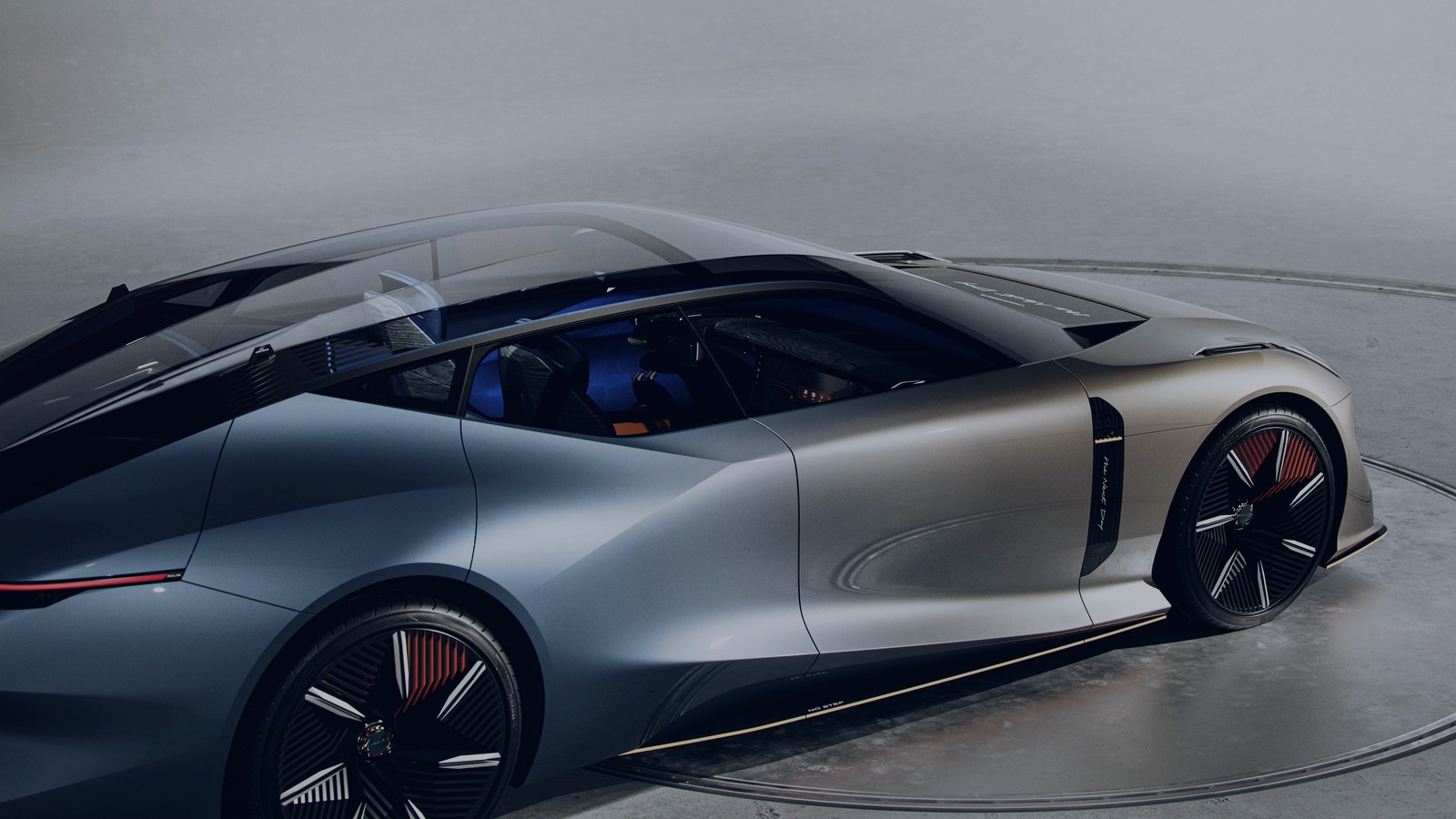
Lynk & Co — Next-Gen HMI & 3D OS
We packed the future into every pixel. I made it into the car film. Post-its and all.
Led the transition from 2D to 3D OS across multiple vehicle generations — concept car, HUD design, exterior lighting, and a production-ready design system tested in Unreal Engine and shipped to China.
The OS I designed is now on the road in China. Not a concept — a production system, tested across vehicle generations, built in Unreal Engine and shipped.
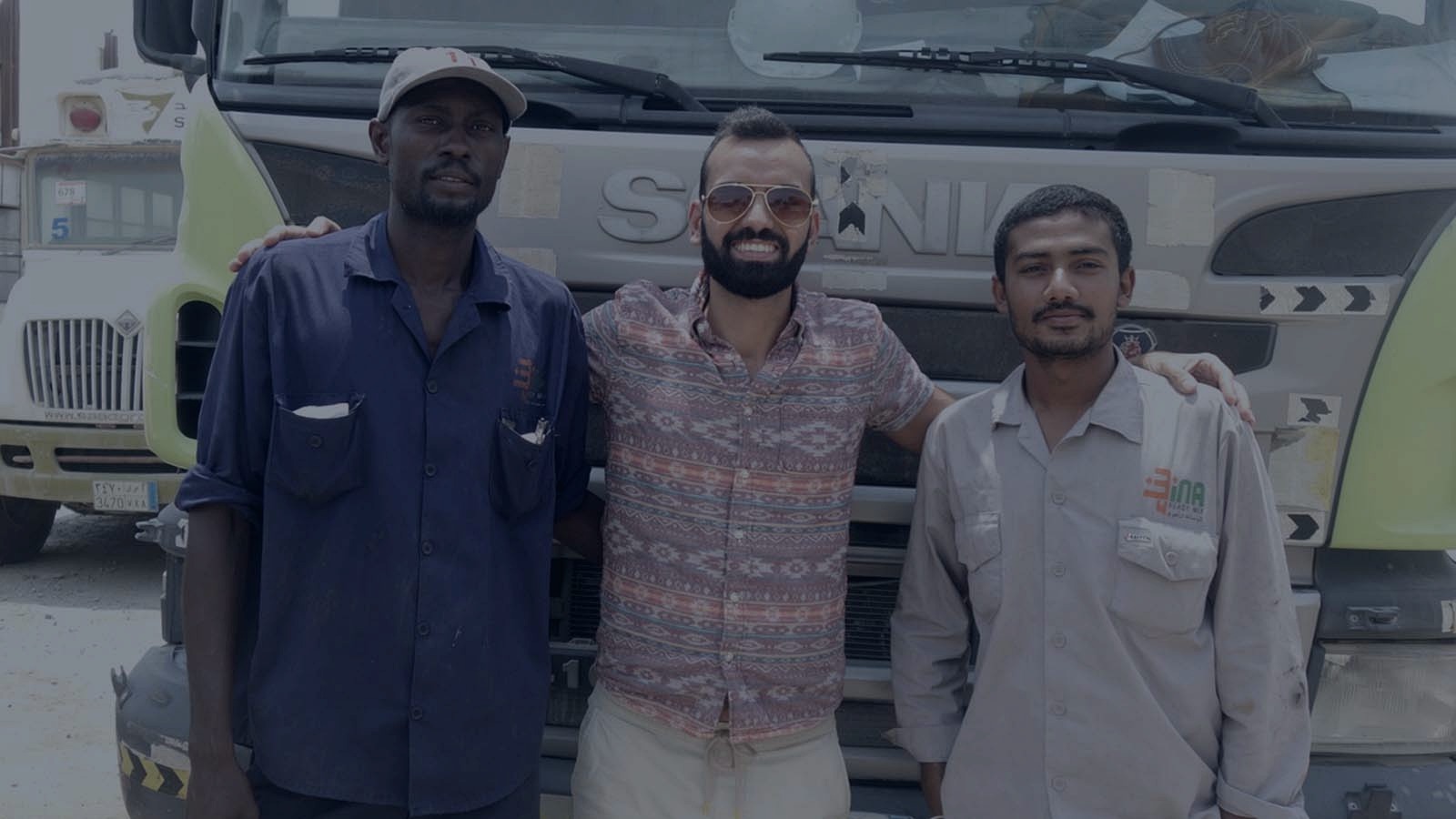
Scania — Field Research, UAE & Saudi Arabia
You can't improve what you haven't lived. I rode overnight with long-haul drivers through a desert sandstorm.
Embedded ethnographic UX research with long-haul truck drivers. Mixed methods, overnight ride-alongs, and human pattern analysis — feeding directly into Scania's ergonomic innovation strategy.
These findings changed how Scania thinks about the 10 hours a driver spends in that cab. Research that started in a desert — built into a strategy.
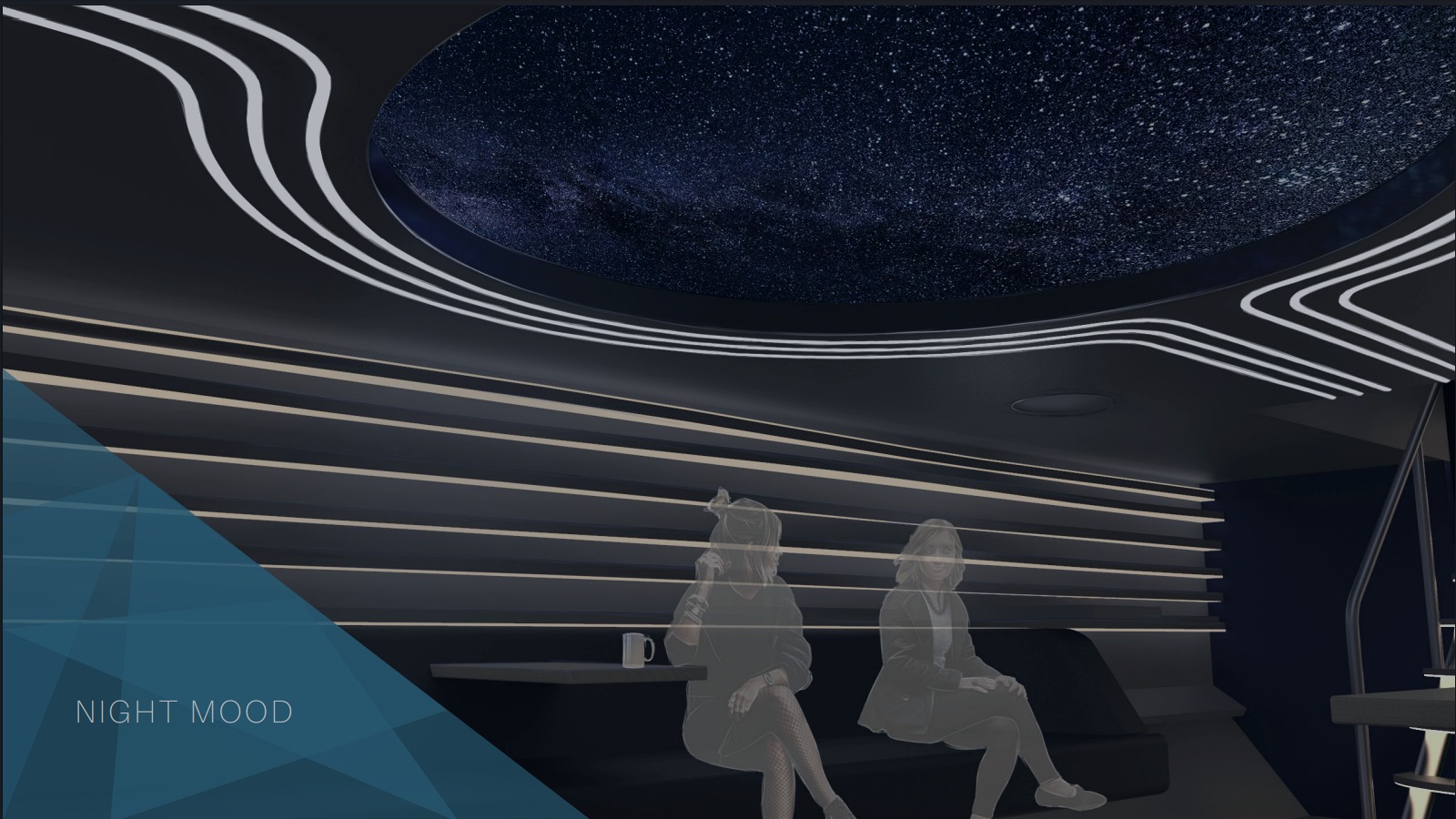
Airbus — Lower Deck Cabin Redesign
What if the cargo hold became the most social place on the plane?
Full concept for transforming the aircraft lower deck into a passenger cabin — seating plan, spatial zoning, booking dashboard redesign, and a VIP mobile app for a holistic travel experience.
Every aircraft has a floor no passenger ever sees. This concept — selected by Airbus engineering — gave them a reason to go there.
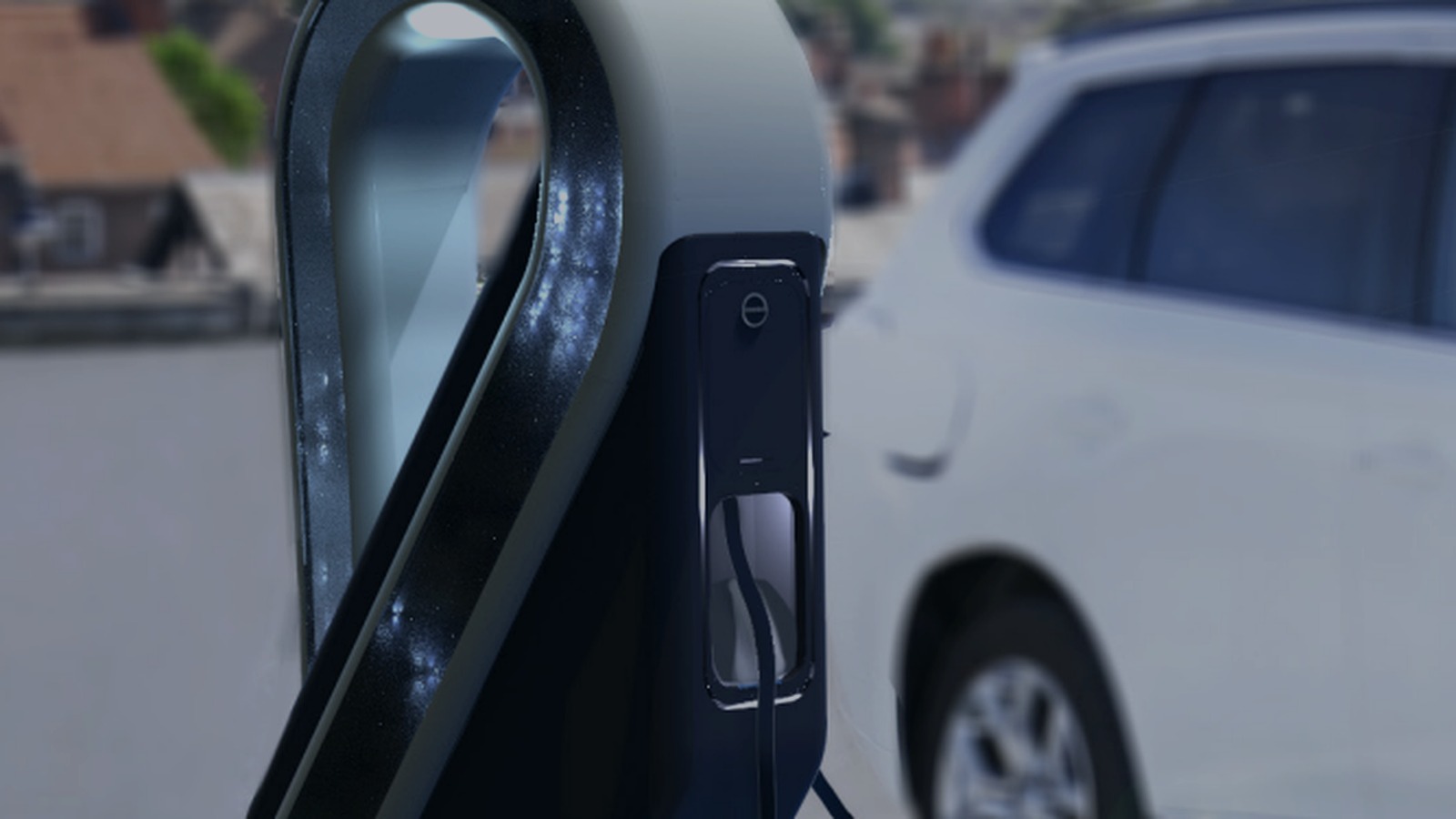
Covestro — Energy Vine EV Charger
Most EV chargers look like they were designed by the grid, for the grid. This one was designed for the person standing next to it at 11pm.
Next-gen public EV charger with Covestro using advanced polymer materials to define a new form language. Plus a smart charging companion app covering the full service design journey.
EV infrastructure has an anxiety problem — not a technology problem. This was the first charger designed to feel safe, human, and trustworthy at 11pm in an empty car park.
MedTech — Coming Soon
Medical technology is where design has the most responsibility.
A portfolio of MedTech work is currently being prepared — covering medical device UX, clinical interface design, and patient-centred research. The work exists. The documentation is in progress.